
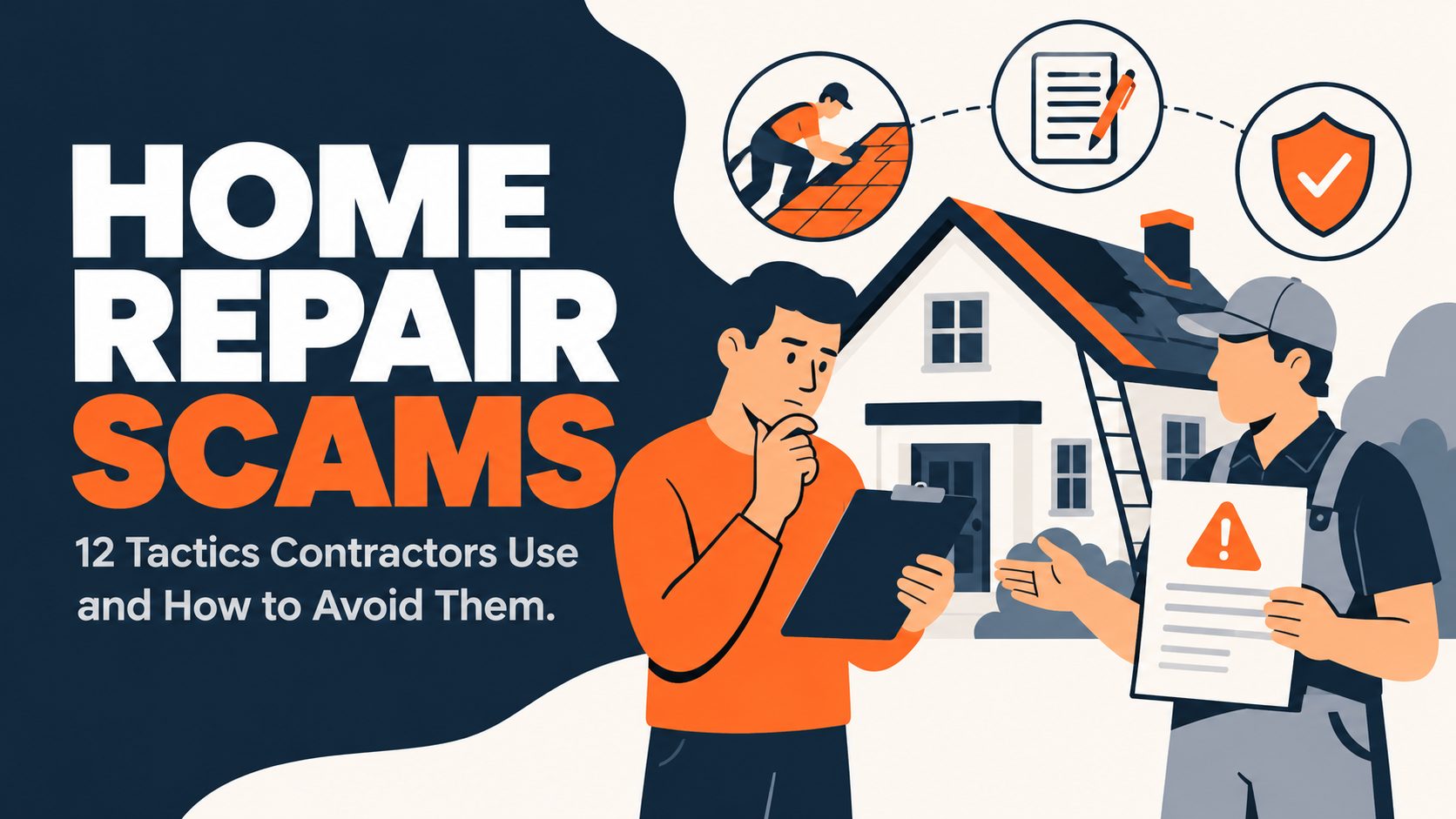
A damaged roof, leaking pipe, broken heating system, or storm-damaged wall can make any homeowner feel rushed. When a contractor arrives with an urgent warning and promises to fix the problem immediately, it may seem easier to say yes than to spend time checking their credentials. Unfortunately, that pressure can leave homeowners vulnerable to home repair scams.
Not every contractor who knocks on your door, asks for a deposit, or recommends urgent work is dishonest. Legitimate professionals may offer seasonal discounts, require payments for materials, or identify genuine safety problems. The important thing is to verify their claims, understand the agreement, and avoid making financial decisions before you have enough information.
This guide explains 12 common home repair scam tactics, the warning signs to watch for, and practical ways to protect your home and money. You will also learn what to do if a contractor takes your deposit, leaves a project unfinished, or charges for work you never approved.
What Are Home Repair Scams?
Home repair scams involve deceptive practices connected to repairs, renovations, maintenance, or home improvement services. A dishonest operator may take money without completing the work, invent damage to justify unnecessary repairs, misrepresent their qualifications, or charge for materials and services that were never provided.
Some scams are obvious, such as a contractor disappearing after receiving a large deposit. Others develop gradually. A company may provide an unusually low estimate, pressure you to sign quickly, and then introduce expensive extras after work begins. In other cases, the work is completed but uses inferior materials or fails to meet the agreed specifications.
Home repair fraud can involve roofing, plumbing, electrical work, heating and cooling systems, painting, paving, foundation repairs, remodeling, and other services. It can also involve financing arrangements that homeowners do not fully understand.
The key distinction is evidence and transparency. A legitimate contractor should be willing to explain the work, document costs, provide appropriate credentials, and put important terms in writing. If someone refuses reasonable checks or insists that you decide immediately, pause and investigate before agreeing.
12 Home Repair Scam Tactics Contractors Use
The following tactics are warning signs, not automatic proof of fraud. Assess the full situation and verify claims before making a decision.
1. Door-to-Door Contractors Offering Unexpected Repairs
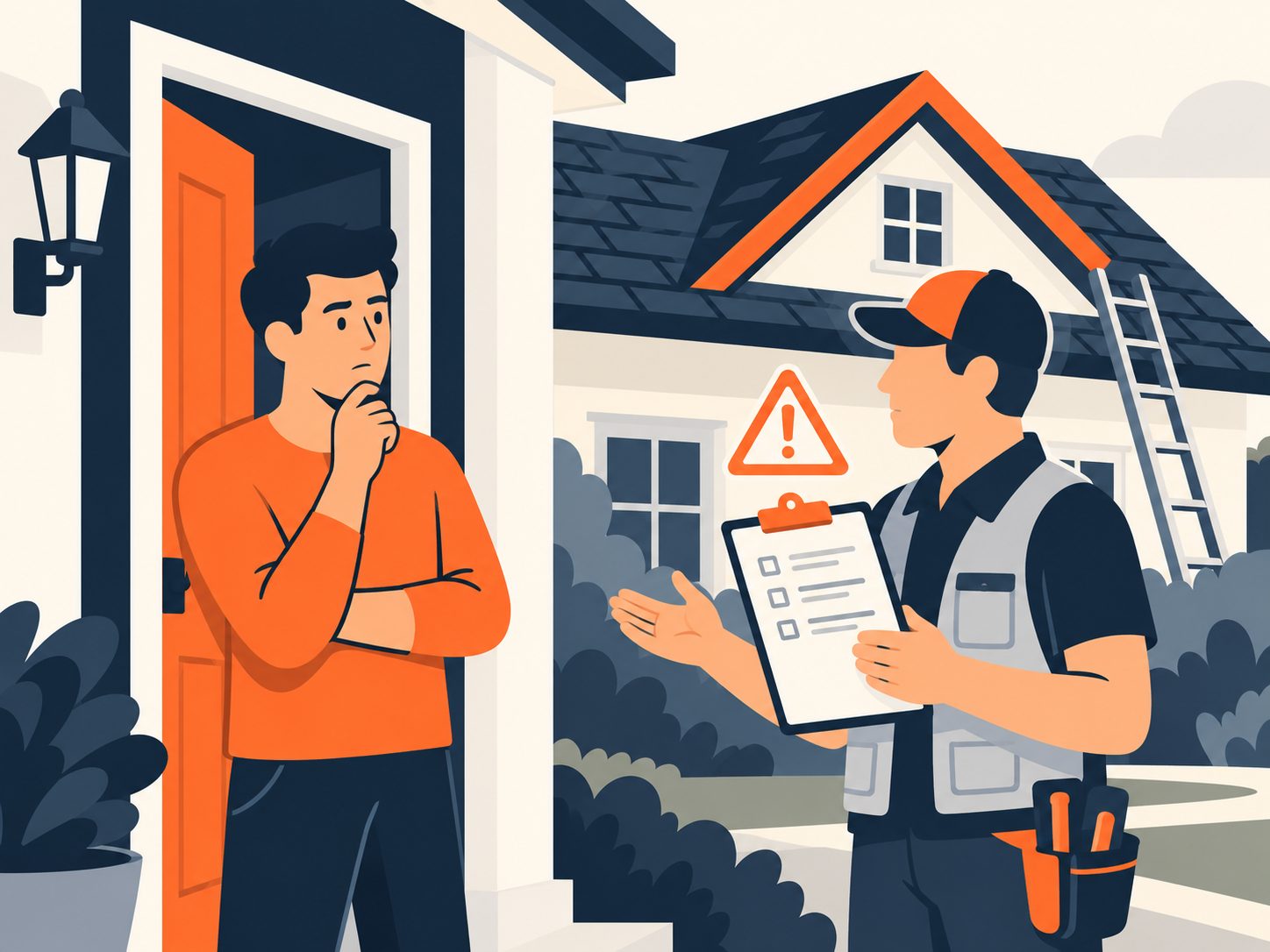
A person may knock on your door and claim to have noticed damaged shingles, cracked paving, failing siding, or another problem while working nearby. They may offer to inspect the property for free and then insist that repairs are needed immediately.
Some legitimate businesses use door-to-door marketing, so an unsolicited visit alone does not prove a scam. The risk increases when the person uses fear, refuses to provide verifiable business details, or demands a quick commitment.
How to protect yourself: Do not agree to expensive work during the first conversation. Ask for the business name, written findings, and an itemized estimate. Verify the company independently, then obtain a second opinion from a qualified professional who has no connection to the first contractor. You can simply say, "Thank you, but I do not authorize work during an unsolicited visit."
2. Storm Chasers Targeting Disaster-Damaged Homes
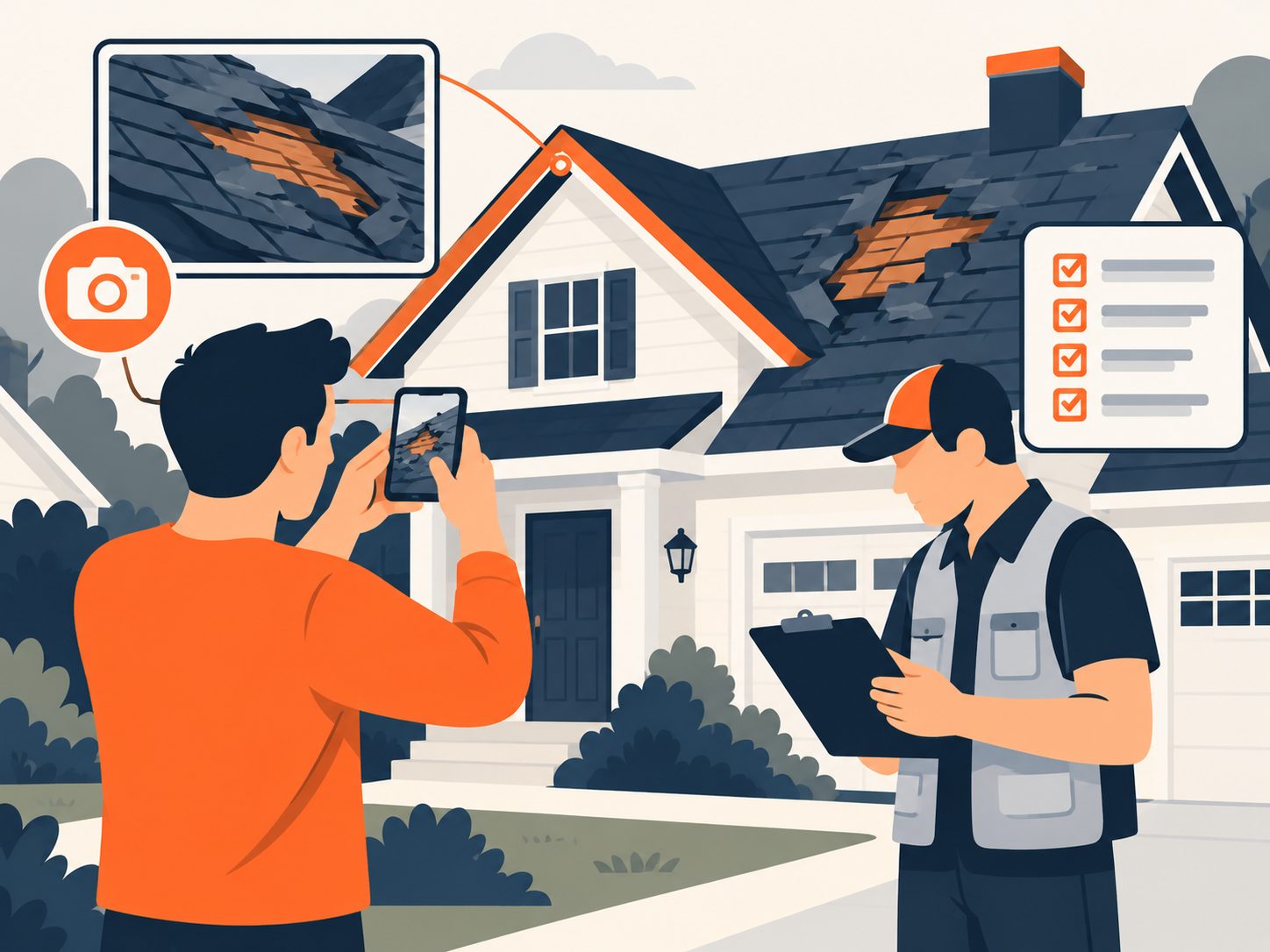
After a hurricane, hailstorm, flood, or severe wind event, contractors may travel into affected neighborhoods looking for work. Some are experienced professionals who genuinely help with recovery. Others may use temporary contact details, collect deposits, perform poor work, or leave the area before problems are resolved.
Storm damage can make it difficult to judge what needs immediate attention. A contractor may also promise that an insurer will pay for every repair, even though coverage depends on the policy and the circumstances.
How to protect yourself: Photograph the damage, contact your insurer when an insurance claim may be involved, and ask what documentation is needed. Verify the contractor's identity, relevant license, insurance, references, and permanent business details. Do not rely on a promise that insurance will cover the full bill. Read the contract and confirm the scope of work before authorizing repairs.
3. Leftover Materials and Too-Good-to-Be-True Deals
A contractor may claim to have leftover roofing shingles, paving materials, paint, or other supplies from a nearby project. The offer may sound attractive because the materials are supposedly available at a large discount.
Surplus materials and genuine discounts do exist. The concern is when the contractor uses the story to rush you into a deal, cannot identify the products, offers no detailed estimate, or later demands extra payment. The promised materials may also be unsuitable for your property or different from what was agreed.
How to protect yourself: Request a written quote that identifies the materials, quantities, labor, preparation, cleanup, and other charges. Compare the offer with estimates from other contractors. Ask for product details and check that the proposed materials are suitable for the job. Do not let the claim of a limited-time bargain replace normal verification.
4. Fake Inspections and Invented Repair Problems
Some dishonest operators exaggerate damage or invent problems to sell unnecessary work. They may claim that a roof is failing, a foundation is unsafe, or an electrical system needs immediate replacement without providing convincing evidence.
This tactic can be difficult to spot because homeowners may not have the technical knowledge to evaluate the claim. A photograph or a dramatic explanation is not enough by itself to establish that a repair is necessary.
How to protect yourself: Ask the contractor to explain the problem, show you the affected area when it is safe to do so, and provide written findings. For costly or urgent recommendations, seek an independent second opinion. If the issue involves structural safety, electricity, gas, or another hazard, use an appropriately qualified professional rather than ignoring a genuine risk.
5. High-Pressure Sales Tactics and False Urgency
A contractor may say the quoted price is available only today, claim that a crew is leaving in minutes, or warn that your home will suffer serious damage unless you sign immediately. Pressure makes it harder to compare estimates, read terms, and notice missing information.
Real emergencies can require prompt action. For example, an active leak or electrical hazard may need immediate attention. Even then, you can usually separate temporary measures that make the property safe from a larger repair project that requires more research.
How to protect yourself: Ask what needs to be done immediately and what can wait. Request written details and take time to review the contract. If the contractor refuses to let you consider the offer, walk away when it is safe to do so. Do not confuse urgency with proof that a particular company is trustworthy.
6. Large Upfront Deposits and Cash-Only Demands
Many homeowners expect to pay something before a project begins, especially when custom materials must be ordered. However, a contractor who demands a large payment before providing a clear contract or demonstrating progress creates a financial risk.
Requests for cash, wire transfers, gift cards, cryptocurrency, or other hard-to-reverse payment methods can make disputes more difficult. A cash payment is not automatically fraudulent, but refusing receipts or written terms is a serious warning sign.
How to protect yourself: Check your state's rules on deposits and home improvement contracts. There is no single deposit percentage that is appropriate for every project or jurisdiction. Agree on a documented payment schedule tied to clearly defined milestones. Use a traceable payment method where possible, get receipts, and avoid paying the full amount before the agreed work is completed and inspected.
7. Suspiciously Low Estimates and Bait-and-Switch Pricing
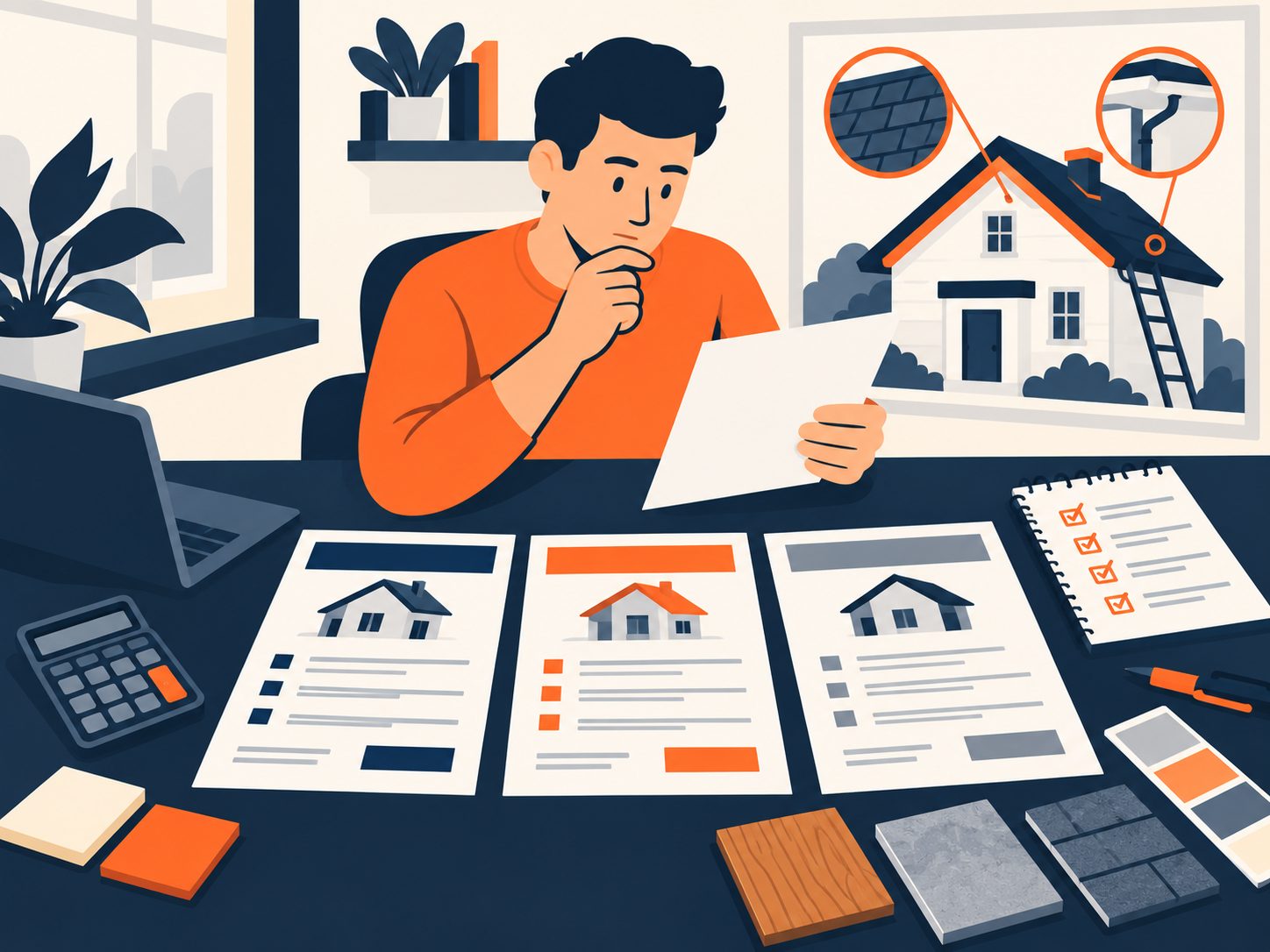
An unusually low bid can attract homeowners who need to control costs. The contractor may leave out important items, such as demolition, disposal, permits, surface preparation, or necessary materials. After the homeowner commits, the company may claim that the omitted work is essential and charge much more.
A low estimate is not necessarily a scam. A contractor may have lower overhead, a different approach, or a legitimate discount. The problem is a quote that hides key costs or changes without a clear, documented reason.
How to protect yourself: Obtain written estimates from several contractors using the same project description. Compare labor, materials, exclusions, allowances, cleanup, permits, warranties, and the payment schedule. Ask each contractor to explain major price differences. Before approving extra work, require a written change order that states the additional cost and how the change affects the schedule.
8. Fake Licenses, Insurance Documents, or References
A contractor may use another business's license number, provide outdated insurance documents, invent customer references, or create misleading online profiles. A polished website and positive testimonials do not prove that a business is qualified or reliable.
Licensing rules differ across states, cities, and trades. Some jobs require a specific license, while others may be regulated differently. Insurance requirements and coverage also vary.
How to protect yourself: Check license details directly with the relevant state or local authority when licensing applies. Make sure the business name and identifying information match. Ask for proof of relevant insurance and, where appropriate, confirm coverage with the insurer or broker. Contact recent customers yourself and ask about communication, changes in cost, workmanship, and whether the project finished as promised.
9. Permit Evasion and Unclear Responsibility for Inspections
A contractor may suggest skipping a required permit to save time or money. Another may tell you that permits are unnecessary without checking local requirements. Unpermitted work can create safety issues, complicate future property sales, affect insurance claims, or require expensive corrections.
Not every repair needs a permit, and requirements depend on the local building department, the type of work, and the jurisdiction. The warning sign is a contractor who dismisses the question rather than giving a clear answer.
How to protect yourself: Contact your local building department to confirm which permits and inspections apply. Put responsibility for obtaining permits in the written contract. Keep copies of permits, inspection results, and approvals. Never assume that a contractor's confidence means the work is exempt from local rules.
10. Poor Workmanship, Inferior Materials, or Abandoned Projects
A contractor may start work and then repeatedly miss milestones, use materials different from those in the contract, leave important tasks unfinished, or stop responding. In other cases, the work may look acceptable at first but fail because it was completed poorly.
Delays and defects can also occur in legitimate projects. Weather, supply shortages, hidden damage, and other issues can affect a schedule. The important questions are whether the contractor communicates clearly, documents changes, and follows the agreement.
How to protect yourself: Keep copies of the contract, receipts, messages, and progress photographs. Compare completed work with the agreed scope and material specifications. Record defects in writing and request a clear plan to address them. Review the warranty and any inspection requirements. Avoid releasing a final payment before the contractually agreed work is complete, subject to the terms of your agreement and applicable law.
11. Contractor-Arranged Financing and Home Equity Loan Scams
Some contractors offer financing as part of a home improvement project. Financing can be legitimate, but problems arise when a salesperson pressures you to sign before you understand the interest rate, fees, repayment schedule, or consequences of missed payments.
Be cautious if someone asks you to sign blank forms, minimizes the cost of borrowing, or encourages you to use a loan secured by your home without explaining the risks. A low monthly payment does not necessarily mean the financing is affordable.
How to protect yourself: Request all financing terms in writing and review the total amount you will repay, the annual percentage rate, fees, introductory rates, and consequences of late payment. Compare the offer with independent lenders. Never sign blank paperwork. If the agreement involves a lien against your home, a home equity loan, or a transfer of property rights, consider independent financial or legal advice before proceeding.
12. Unauthorized Change Orders, Inflated Invoices, and Contractor Liens
A project's final bill may rise because the homeowner approves additional work or because previously hidden damage is discovered. However, a contractor may also add charges for work you did not authorize, inflate quantities, or refuse to explain the difference between the estimate and invoice.
There may also be a risk if a contractor fails to pay subcontractors or suppliers. Depending on state law and the circumstances, a supplier or subcontractor may have rights to pursue a construction or mechanic's lien against the property.
How to protect yourself: Require written approval for changes to the scope, price, and schedule. Review itemized invoices and compare them with the contract and approved change orders. Ask about payment releases or lien waivers where appropriate, and verify local rules before relying on a particular document. Keep proof of payments and seek legal advice if you receive a lien notice or a serious payment dispute develops.
How to Spot Home Repair Scam Warning Signs Before Hiring
One warning sign does not always mean a contractor is fraudulent. However, several warning signs together should prompt you to slow down and verify the details.
Watch for these behaviors:
- Pressure to decide immediately: You are told to sign now or lose a deal, even when the work is not an emergency.
- Unverifiable business details: The contractor cannot provide a consistent business name, contact information, or relevant credentials.
- No written estimate or contract: The contractor expects you to rely on verbal promises for a costly project.
- Refusal to provide references: The contractor will not share recent customer contacts or explain their work history.
- A price far below comparable bids: The quote is dramatically cheaper but lacks a clear explanation of what is included.
- Demand for full payment in advance: You are asked to pay everything before the work is complete.
- Unapproved changes: New costs appear without written explanations or your agreement.
- Unsupported claims about damage: The contractor insists that a major repair is necessary but will not provide useful evidence.
- Unclear permit arrangements: The contractor dismisses permit questions or asks you to ignore local requirements.
- Promises that sound guaranteed: You are told that insurance will cover everything or that a particular outcome is certain without reviewing the relevant details.
Before you hire, look at the overall pattern. Ask questions, verify information through independent sources, and give yourself time to make a considered decision. A professional contractor should be able to explain the project and its costs without preventing you from doing reasonable checks.
How to Avoid Home Repair Scams Before Signing a Contract
A consistent hiring process can help you compare contractors fairly and reduce avoidable risks.
Verify the Contractor's Identity and License
Ask for the contractor's full business name, contact details, and any license or registration required for the work. Check the information directly with the relevant state or local licensing authority. Make sure the name on the estimate matches the business you verified.
You can also review public business records and consumer complaints. A lack of complaints does not guarantee that a company is reliable, and a complaint alone does not prove wrongdoing. Look for patterns, responses, and verifiable facts rather than relying on one rating.
Check Insurance and References
Ask what insurance coverage applies to the project. Depending on the work and jurisdiction, this may include general liability coverage and workers' compensation. Confirm relevant details with the insurer or broker when necessary instead of relying only on a document supplied by the contractor.
Speak with recent customers who had similar work completed. Ask whether the contractor arrived as agreed, communicated changes, stayed close to the estimate, cleaned up, and addressed problems. If possible, review examples of comparable projects.
Get Three Comparable Written Estimates
Request estimates from multiple contractors and make sure each one covers the same scope of work. A useful estimate should explain labor, materials, preparation, disposal, permits where applicable, exclusions, and the expected schedule.
Do not compare only the total price. A low bid may omit necessary work, while a higher bid may include better materials or a more complete scope. Ask questions about differences before deciding.
For more help, read Clutchpilot's guide on how to compare contractor quotes.
Review the Contract Before Work Begins
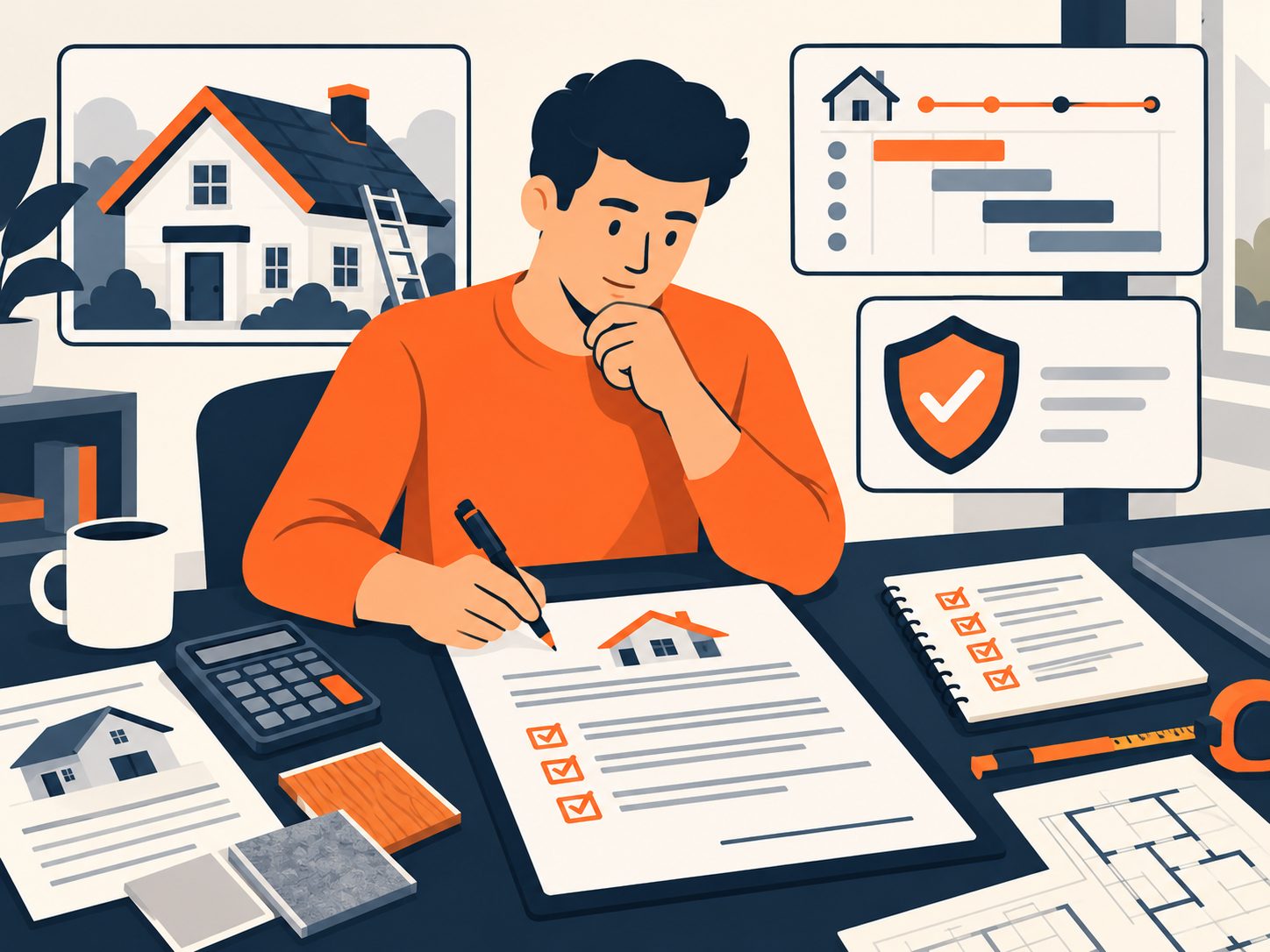
A written home improvement contract should clearly identify the parties and explain what the contractor will do. Depending on the project and local law, it should cover:
- The contractor's legal business name and contact information.
- A detailed description of the work and materials.
- The total price and payment schedule.
- Expected start and completion dates, along with how delays will be handled.
- Responsibility for permits and inspections.
- Warranty terms and how defects will be addressed.
- The process for approving additional work and changes in cost.
- Cleanup, disposal, and any agreed final inspection.
Read the entire document before signing. Do not sign forms with blank spaces that could later be completed without your understanding. Keep a signed copy and all related documents.
For additional guidance, see Clutchpilot's article on how to read a contract before signing.
Use Safer Payment Practices
Ask whether your state sets limits on deposits or requires specific contract language. Rules vary, so verify them with the relevant consumer protection office or licensing authority.
Agree on a written schedule that connects payments to clear project milestones. Keep receipts and use a traceable payment method where possible. Be cautious about requests for unusually large advance payments, especially if the contractor has not provided a clear contract or verifiable business information.
Before making the final payment, review the agreed work, document any outstanding issues, and confirm what the contract and local law require. If a lien waiver or payment release is appropriate, understand what it covers before signing it.
What to Do If You Have Already Been Scammed by a Contractor
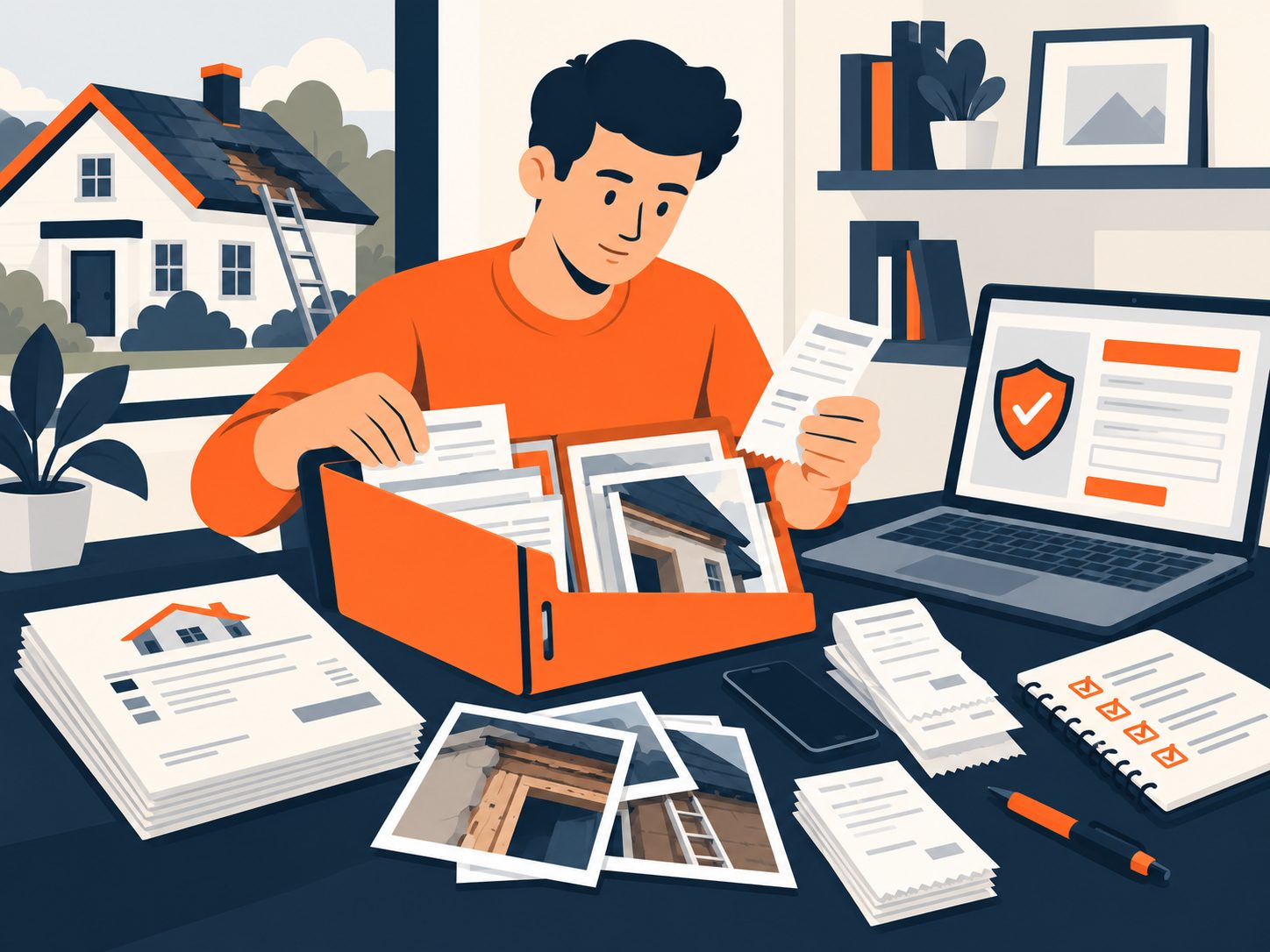
If you believe a contractor has defrauded you, act promptly. The right steps depend on what happened, how you paid, where you live, and whether the work is unsafe or incomplete.
1. Preserve the Evidence
Keep the estimate, signed contract, invoices, receipts, bank or card records, emails, text messages, photographs, advertisements, and any promises the contractor made. Write down a timeline of key events, including when you paid, when work started, and when communication stopped.
If the work may be unsafe, avoid disturbing the area unless necessary to protect people or property. Consider obtaining an independent inspection and documenting the findings.
2. Contact the Contractor in Writing
If it is safe and appropriate, send a clear written message explaining the problem. Identify the relevant contract terms, describe the unfinished or defective work, and state what remedy you are requesting. Set a reasonable response date and retain proof of your communication.
Avoid relying only on phone conversations. Written records can help clarify what was requested and what the contractor agreed to do.
3. Contact Your Bank or Payment Provider
If you paid by credit card, debit card, check, bank transfer, or another service, contact the provider as soon as possible to ask what options are available. Explain the facts accurately and provide supporting documents. Deadlines and eligibility differ by payment method, provider rules, and circumstances, so do not assume that a refund or charge reversal is guaranteed.
If you suspect identity theft or unauthorized financial activity, tell the relevant financial institution promptly and ask about additional protective steps.
4. Report the Contractor
Depending on the circumstances, you may be able to report the issue to:
- The Federal Trade Commission for suspected fraud or deceptive business practices.
- Your state attorney general or consumer protection office.
- The state or local contractor licensing authority.
- Local law enforcement if you suspect a crime.
- Your insurer if the issue involves a claim or suspected insurance fraud.
Include dates, amounts, business details, and supporting evidence. Reporting a problem may help authorities identify patterns, but it does not guarantee that you will recover your money.
5. Understand Your Legal Options
Depending on your location and the facts, options may include mediation, a consumer protection claim, small claims court, or advice from a qualified attorney. Contract terms, filing deadlines, available damages, and procedures differ by jurisdiction.
If you receive a construction lien notice, a legal demand, or court paperwork, do not ignore it. Seek advice promptly because response deadlines may apply.
Home Repair Scam Prevention Checklist
Use this checklist before hiring a contractor or making a substantial payment.
- Verify the contractor's identity and business details.
- Check any required license or registration with the relevant authority.
- Confirm relevant insurance coverage.
- Contact recent references and review independent feedback.
- Obtain written estimates from multiple contractors.
- Compare the same scope, materials, exclusions, and project milestones.
- Read the full contract and make sure blank spaces are completed.
- Confirm permit and inspection requirements with the local building department.
- Check applicable deposit rules and agree on a written payment schedule.
- Require written approval for changes to the work or price.
- Keep receipts, photographs, contracts, and communications.
- Review completed work before making the final payment, consistent with the contract and applicable law.
- Obtain appropriate payment releases or lien waivers when relevant, after understanding their effect.
Save this list and use it when comparing contractors. A few minutes spent checking details can help you avoid costly misunderstandings.
Protect Your Home by Choosing Contractors Carefully
You do not need to assume every contractor is dishonest to protect yourself from home repair scams. You need a clear process for checking credentials, comparing estimates, reviewing contracts, documenting payments, and confirming that the work matches what you agreed to buy.
Take extra care when someone pressures you to make an immediate decision or asks you to trust verbal promises instead of written terms. Verify important claims independently, check local requirements, and keep records throughout the project.
Before hiring, research the business, compare service providers, and review the agreement carefully. Clutchpilot can help you explore business information and make more informed decisions when evaluating service providers. A little preparation can help you choose a contractor with greater confidence and reduce the risk of an expensive mistake.
Comments (0)